The relationship between IGF-1 (insulin-like growth factor-1, which increases with growth hormone stimulation) and cancer risk is well-documented in the scientific literature
Growth hormone production peaks in adolescence and declines through adulthood, and IGF-1, the downstream messenger that drives muscle protein synthesis and tissue repair, declines along with it
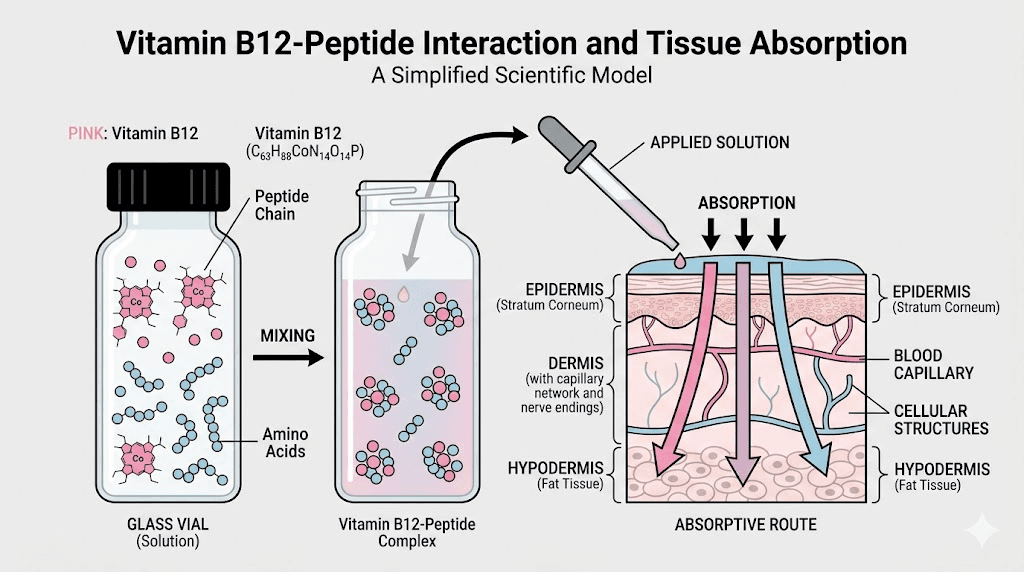
Average milk levels in mature milk are 200 to 700 pmol/L (270 to 950 ng/L) during the first 28 weeks postpartum in healthy, lactating women with known or presumed adequate vitamin B 12 status and not taking a supplement.[27,28,42-45] Levels are highest during the first 4 weeks postpartum and gradually decrease thereafter.[25,28,29,42-47] Hindmilk levels are 20% to 30% higher than foremilk.[29] In populations with a high prevalence of vitamin B 12 deficiency or insufficient dietary vitamin B 12 intake, reported median or average milk levels are 120 to 160 pmol/L (160 to 220 ng/L) at 6 months postpartum.[30,46] In one study of 210 lactating women from different regions of Cameroon, rates of maternal vitamin B 12 deficiency were 15% to 25% and median milk levels were between 47 and 236 pmol/L (64 and 320 ng/L)
Although preliminary, this research underscores the necessity for further investigation
It's treating something your body has been trying to tell you for months


.jpg)